



-
 Price range: ₹3,499 through ₹8,999 Select options This product has multiple variants. The options may be chosen on the product page
 -
 Price range: ₹2,799 through ₹6,999 Select options This product has multiple variants. The options may be chosen on the product page
 -
 Price range: ₹3,999 through ₹7,499 Select options This product has multiple variants. The options may be chosen on the product page
 -

-
 Price range: ₹1,599 through ₹3,999 Select options This product has multiple variants. The options may be chosen on the product page
 -
Price range: ₹4,499 through ₹6,500 Select options This product has multiple variants. The options may be chosen on the product page
-

-
-
Price range: ₹2,499 through ₹5,499 Select options This product has multiple variants. The options may be chosen on the product page
-





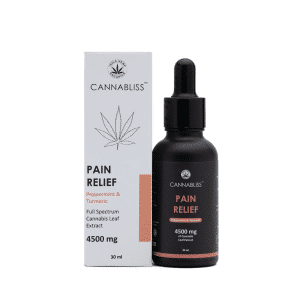

CBD Oil for Pain Management: A Complete Guide to Safe and Effective Relief
Introduction: How CBD Oil Is Transforming Pain Relief
Nowadays, Pain is one of the main challenges people are facing worldwide; pain can come from injuries, illnesses, and conditions such as arthritis and neuropathy. Many people trust in
Medicines that give short-term relief, and they often waste their money; some can also cause side effects. causing long-term harm all over the body
People have recently shifted to CBD products, as they are natural alternatives that target the main cause of the muscle pain and give permanent results. Aarogya CBD , trusted source for CBD products, has licensed products that provide high-quality CBD products, verified and supported by Medical souces
This guide to CBD Oil for Pain, can help you clear your confusion regarding CBd products and how they will work on your body effectively.
- How CBD Works: Understanding Its Mechanisms in the Body
Cbd products for pain deal biologically with the system that is responsible for pain, mood swings, and overall wellness of the body. This multi-action targets the right body part,, which sets this products apart rom conventional medications
A. The Endocannabinoid System (ECS): The Body’s Natural Pain Regulator
The Endocannabinoid System (ECS) is a network of receptors, and it helps regulate mood, and it controls sleep patterns and the immune response. It also manages inflammation and pain perception
CBD directly does not attach to ECS receptors like CB1 and CB2, unlike THC.
Instead, it works indirectly to support the body’s natural systems.
CBD helps increase the levels of natural compounds called endocannabinoids.
One important endocannabinoid is anandamide (AEA), which regulates pain and mood.
CBD slows down the breakdown of these compounds, keeping them active longer.
This boosts the body’s ability to manage pain and maintain overall balance.
Key effects of CBD on the ECS:
- Helps in pain relief overall
- Helps in regulating inflammation
- Helps in improving nervous system health
- Helps in supporting emotional stability
By enhancing the body’s own regulatory system, CBD provides a gentle and natural approach to long-term pain management.
B. TRPV1 Receptors: Controlling Pain Signals
The TRPV1 receptor, also called the vanilloid receptor, plays a major role in detecting heat, inflammation, and harmful stimuli. Chronic pain may continue when these receptors are overstimulated.
CBD interacts with TRPV1 receptors, helping reduce their sensitivity over time. CBD is particularly useful for neuropathic conditions like diabetic neuropathy or post-injury nerve pain because it can reduce nerve-related pain and inflammatory discomfort.
C. Serotonin Receptors: Balancing Mood and Stress
CBD also affects serotonin receptors, particularly 5-HT1A. Serotonin is a neurotransmitter that helps to regulate mood, anxiety, and stress levels. Chronic pain often leads to emotional stress, depression, and sleep disturbances. By supporting serotonin activity, CBD can:
- Reduce anxiety related to chronic pain
- Improve mood
- Support better sleep and mental balance
This impact on the body—on both physical and emotional pathways—makes CBD a reliable option for people living with long-term pain.
D. Anti-Inflammatory Effects: Targeting the Root Cause
Inflammation often underlies chronic pain. CBD can reduce inflammation by:
- Suppressing pro-inflammatory molecules like TNF-α and IL-6
- Modulating the NF-κB pathway, a master regulator of inflammatory genes
- Supporting antioxidant and tissue repair processes
Unlike medications that mask symptoms, CBD helps the body address the root cause of discomfort. This is particularly important in conditions like arthritis, fibromyalgia, or repetitive strain injuries.
III. CBD and Specific Pain Types
Research and anecdotal evidence suggest CBD may help with several types of chronic pain.
A. Neuropathic Pain
Neuropathic pain arises from nerve damage or dysfunction. It is often resistant to traditional painkillers.
CBD helps neuropathic pain by:
- Calming TRPV1 receptors
- Reducing inflammation around nerves
- Supporting neuroprotective processes
Some studies also suggest that CBD can affect proteins involved in transmitting nerve pain signals. Full-spectrum CBD products, which include multiple cannabinoids, often provide stronger relief due to the Entourage Effect—a synergistic interaction between cannabinoids.
B. Arthritis and Inflammatory Pain
Conditions like arthritis, osteoarthritis, and fibromyalgia involve joint inflammation and tissue stress.
CBD may reduce joint pain by:
- Suppressing inflammatory cytokines
- Reducing oxidative stress
- Supporting tissue repair and mobility
Topical CBD creams and balms are particularly useful for localized relief. Applying CBD directly to sore joints or muscles can deliver targeted effects without systemic exposure, making it safer for daily use.
C. Fibromyalgia and Muscle Pain
Fibromyalgia causes widespread muscle pain, fatigue, and tenderness. CBD may help by:
- Calming pain signals throughout the nervous system
- Supporting sleep and emotional well-being
- Reducing muscle stiffness and soreness
Topical and oral CBD combined may provide the best results for fibromyalgia patients.
D. Pain-Related Anxiety and Sleep Issues
Chronic pain often leads to emotional stress, anxiety, and poor sleep. CBD’s effects on serotonin pathways can improve emotional balance, reduce anxiety, and promote better sleep. Improved rest allows the body to heal and reduces sensitivity to pain over time.
How to Use CBD: Dosage, Methods, and Best Practices
A. Choosing the Right Form
CBD comes in multiple forms, each with unique advantages:
1. Sublingual Oils (Tinctures)
- Fast absorption under the tongue
- Higher bioavailability (20–35%)
- Ideal for systemic pain and general relief
- Effects last several hours
2. Topical Creams and Balms
- Directly applied to painful joints or muscles
- Minimal risk of drug interaction
- Provides localized relief for arthritis, muscle soreness, and injury
3. Capsules and Edibles
- Slower absorption, lower bioavailability (13–19%)
- Sustained effect for long-term, background pain management
- Convenient for daily use and consistent dosing
B. Safe Dosing: Start Low and Go Slow
CBD dosing is highly individual. For safety and effectiveness:
- Start low: 20–40 mg per day
- Maintain for a week to observe effects
- Increase gradually (e.g., 5 mg per week) if needed
- Track results: Pain levels, sleep quality, and mood
- Find the minimum effective dose for long-term use
Severe chronic pain may require higher doses, but this should always be guided by a medical professional.
C. Combining CBD with Lifestyle Changes
CBD works best when combined with healthy habits:
- Gentle exercise to improve mobility and reduce stiffness
- Balanced diet to reduce systemic inflammation
- Stress management techniques like yoga or meditation
- Adequate sleep to support healing and recovery
Integrating these habits can enhance CBD’s effectiveness and improve overall quality of life.
Safety, Legality, and Quality Standards in India
A. Legal Status
CBD is legal in India if:
- Derived from industrial hemp
- Contains less than 0.3% THC
Oral CBD oils for therapeutic purposes require a prescription. Products must follow strict standards under the Drugs & Cosmetics Act and receive approval from AYUSH or the CDSCO.
Aarogya CBD ensures all products meet these regulations and provides professional consultation for safe use.
B. Drug Interactions and Precautions
CBD interacts with the liver’s CYP450 enzyme system. This can increase or decrease the effectiveness of other medications. High-risk interactions include:
- Blood thinners (e.g., warfarin)
- Anti-seizure medications
- Psychiatric drugs
Consultation with a healthcare professional is essential before starting CBD alongside other medications.
C. Quality Assurance: Certificates of Analysis (COA)
COAs verify:
- CBD and THC content
- Absence of contaminants like heavy metals, pesticides, and solvents
- Accuracy of labeling
Always choose products with independent lab verification. Aarogya CBD provides COAs for every product batch.
Integrating CBD Into Your Pain Management Plan
- Start with licensed, full-spectrum products
- Confirm THC levels are below the legal limit (0.3%)
- Follow a structured dosing plan with medical guidance
- Combine with lifestyle measures for maximum benefit
- Track symptoms and adjust as needed
- Use trusted providers like Aarogya CBD for quality assurance and professional support
With careful use, CBD can be a valuable adjunct for chronic pain management, helping to reduce discomfort, improve sleep, and support emotional well-being.
Conclusion
CBD oil provides a multi-target, natural approach to chronic pain. By influencing pain signals, reducing inflammation, and supporting mental and emotional balance, it offers an alternative or complementary option to traditional medications.
For safe and effective use in India:
- Use licensed products with verified COAs
- Ensure THC content is within legal limits
- Seek medical consultation for dosing and safety
- Combine with lifestyle measures for optimal results
CBD can support long-term comfort, balance, and well-being when used responsibly and as part of a holistic pain management plan.