




-
-
-
-
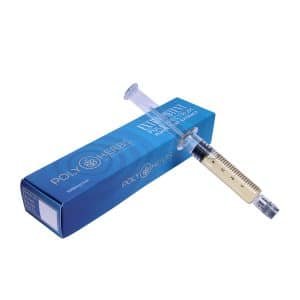
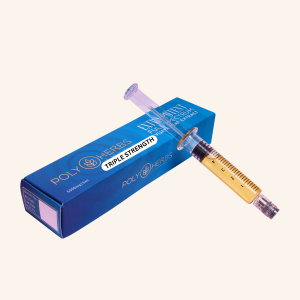
 Price range: ₹5,500 through ₹10,000 Select options This product has multiple variants. The options may be chosen on the product page
 -

-
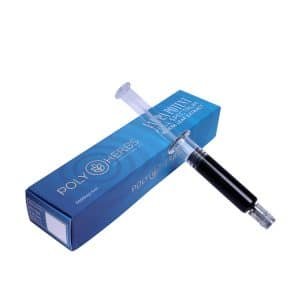
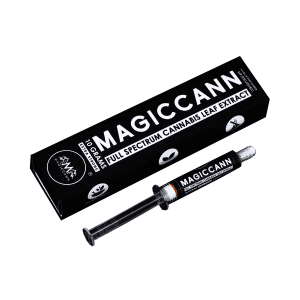
Price range: ₹4,499 through ₹6,500 Select options This product has multiple variants. The options may be chosen on the product page
-
-
-
-
-



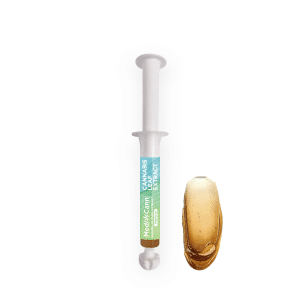
Rso Oil in India: Uses, Benefits, Safety, Buying, and Preparation
Rick Simpson Oil, also called RSO Oil, is a strong cannabis oil that has become popular recently among medical cannabis users.
Unlike other cannabis oils, which are used for flavor or to enjoy the effects of cannabis, RSO Oil is called full extract cannabis oil (FECO) because it contains all the natural compounds found in the cannabis plant.
This resource focus to explore the many aspects of RSO Oil in India to give a clear and factual overview of its main uses, from treating pain to its use in cancer treatment.
We will cover important topics such as how it is used and the possible side effects. We will also look at the complex legal issues around RSO, compare it to other cannabis products like CBD Oil, and give advice on how to find a high quality product.
Whether someone wants to learn more about RSO for personal use or is simply curious, this resource will provide useful information.
What Is RSO Oil, and Why Is It Used?
RSO, short for Rick Simpson Oil, is a strong, unrefined form of cannabis concentrate, named after its creator, Rick Simpson, an engineer and medical activist from Canada.
In 2003, after being diagnosed with basal cell carcinoma, Simpson claimed that using RSO on his skin helped eliminate his skin cancer. Since then, it has been widely used as a key option in “alternative” medical treatments among cannabis users.
RSO is known for requiring high amounts of THC (tetrahydrocannabinol) and is not meant to be smoked but used in other ways. The primary reason for its use is its “entourage effect.” Because RSO is not winterized or overly filtered, it preserves the plant’s natural fats, waxes, and the full spectrum of cannabinoids.
This makes it significantly more powerful than standard distillates. Patients typically turn to RSO when they require a high potency intervention for chronic conditions that have not responded to lower dose treatments.
What Is Rick Simpson Oil Made From?
RSO is usually made from strong indica dominant cannabis strains, which are chosen for their powerful mind altering effects and full body relaxation. To produce RSO, cannabis buds are soaked in a solvent such as naphtha or high proof isopropyl alcohol to pull the resin from the plant.
The liquid is then strained, and the solvent is allowed to evaporate, leaving behind a thick, sticky, tar like substance. RSO is known for its very high THC content, usually between 60% and 90%, and lower amounts of CBD and other helpful compounds because the entire plant is used in the process.
What Are the Benefits and Uses of RSO Oil in India?
The strength of RSO comes mainly from how powerful it is and from using the whole cannabis plant. While it may not be a “miracle cure” for everyone, many people believe it provides strong relief for conditions that other medicines cannot help with.
RSO is most often used for widespread health issues such as inflammatory conditions, autoimmune disorders, or serious neurological problems. It is usually taken by mouth or applied to the skin, which allows the effects to last longer than smoking or inhaling marijuana
What Is RSO Oil Used for Pain and Sleep?
For individuals struggling with chronic pain-such as fibromyalgia, arthritis, or back injuries-RSO acts as a powerful analgesic. Its high THC content can alter the perception of pain signals in the brain.
Regarding sleep, RSO is frequently used as a potent sedative for “refractory insomnia.” Because it is processed by the liver when eaten, it provides a slow release effect that helps users stay asleep throughout the night.
What Does RSO Oil Taste Like and Feel Like?
RSO has a strong bitter and earthy taste with a strong “grassy,” “metallic” feeling due to the higher content of chlorophyll. This substance is considered non appetizing.
Regarding the sensation felt during the use of RSO weed oil, the “feel” experienced by the individual during its use has been found to show up as heavy and relaxing. This leads to excessive “couch locking,” especially in individuals making use of it during the day.
How Is RSO Oil Used for Medical and Cancer Purposes?
The most debated and widely talked about use of RSO is in cancer treatment. Medical professionals stress that cannabis should never replace proven cancer treatments such as chemotherapy or radiation.
However, in real world use, RSO is often taken alongside these treatments. It is commonly used to help reduce difficult side effects of standard cancer therapies, including nausea, vomiting, and severe weight loss, often referred to as wasting syndrome or cachexia, caused by chemotherapy.
How Is RSO Oil Used for Cancer Treatment Discussions?
In cancer specific discussions, RSO is often mentioned in the context of the “Rick Simpson Protocol,” which involves consuming 60 grams of oil over 90 days.
It is vital to consult with an oncologist before starting this, as high doses of THC can interact with certain medications. Most patients use it to improve quality of life, focusing on symptom management rather than as a primary curative agent.
Is Rso Oil Used for Advanced or Stage 4 Conditions?
Patients with Stage 4 or terminal conditions often turn to RSO for palliative care. At this stage, the goal is typically comfort. RSO’s ability to provide intense pain relief and emotional euphoria can be invaluable in end of life care, helping patients maintain dignity and reduce the need for heavy opioid based painkillers.
What Is the Proper Dosage and What Are the Side Effects?
Dosage is the most critical factor when using RSO. Because it is so concentrated, a “standard” dose is incredibly small often the size of half a grain of rice. Beginners should start even smaller, perhaps the size of a pinhead. Overconsumption can lead to an overwhelming psychoactive experience that may last for 12 to 24 hours.
Does RSO Oil Cause Dizziness or Red Eyes?
Yes, side effects are common, especially for new users. Dizziness is a frequent report, often linked to a temporary drop in blood pressure. Red eyes (vasodilation) are also a hallmark side effect, along with dry mouth. These symptoms are generally harmless but can be uncomfortable if the user is unprepared.
Does RSO Oil Cause Withdrawal Symptoms Over Time?
If used daily in high doses (as per the Simpson Protocol), the body will develop a tolerance. Abruptly stopping can lead to mild withdrawal symptoms, such as irritability, sleep disturbances, or a temporary loss of appetite. It is generally recommended to taper the dose down slowly rather than stopping “cold turkey.”
How Do You Choose High Quality Rso Oil?
Choosing the right product is critical because quality indicators can vary wildly between brands. Since RSO is often made in smaller batches or even at home, the risk of contamination or inconsistent potency is higher than with mass produced CBD oils. You want to ensure you are getting a pure, safe product.
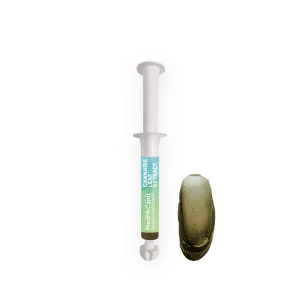
To avoid low grade products, always look for oils that are dark but translucent when smeared thin. If the oil looks “cloudy” or has visible sediment, it may not have been filtered properly. High quality RSO should also have a consistent, syringeable texture without being too watery or rock hard.
Price can also be an indicator, though not always. If a deal seems too good to be true, it probably is. Producing high quality full extract cannabis oil is a labor intensive process that requires a lot of raw plant material, so “cheap” RSO is often a red flag for poor quality or low potency.
What Lab Testing Should Rso Oil Have?
Every trusted brand of CBD products provides the results of the cannabinoids and possible contaminants, called a Certificate of Analysis, or COA.
This type of lab report is not only helpful to check the amount of THC in the products, but even more importantly, to make sure the products do not contain harmful substances like heavy metals, pesticides, or leftover solvents.
The entire process must be very clear and transparent. Because solvents like naphtha or isopropyl alcohol are used during production, it is essential to make sure these solvents have fully evaporated. Consuming leftover solvents would be dangerous and goes against the health reasons people choose to use this oil.
If a seller cannot or refuses to provide third party lab results, you should not buy from them. Any reliable supplier of high quality health products will be willing to prove the purity of their product and the accuracy of their labeling. This is the only way to be fully confident that what you are putting into your body is safe.
What Are Signs of Poor Quality Rso Oil?
Pay close attention to the color, consistency, and smell. While RSO is naturally dark, it shouldn’t smell like a “chemical factory.” A strong smell of alcohol or sulfur is a sign of a bad purge. The consistency should be like thick molasses; if it separates into layers, it was likely poorly made.
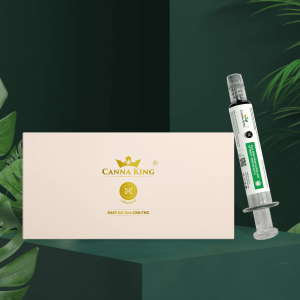
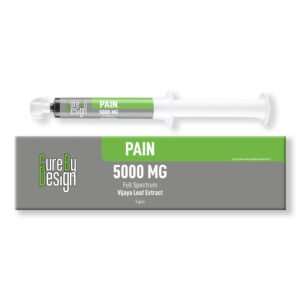
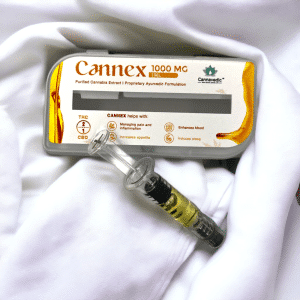
There are also packaging red flags to look for. Avoid syringes that aren’t properly sealed or lack clear labeling regarding the batch number and date of production. If the branding looks unprofessional or “underground,” it increases the likelihood that the oil was made without proper safety protocols.
Poor quality oil might also have a very bitter, “burnt” taste that goes beyond the natural earthiness of the plant. This can happen if the oil was overheated during the solvent evaporation process, which can also destroy the beneficial terpenes and some of the cannabinoids, leaving you with a less effective product.
Where Can You Buy Rso Oil Online or Near You?
Finding RSO depends entirely on where you live. In legal regions, the best place is a licensed dispensary. This is the safest way to buy, as these products are mandated by law to be tested and tracked. You can often use “near me” searches on platforms like Weedmaps or Leafly to find local shops that carry it.
The dispensary vs online availability is a tricky area. In the US, you cannot legally buy high THC RSO online and have it shipped across state lines. Any website claiming to ship high THC oil to “all 50 states” is likely a scam or selling illegal products. However, you can often order it online for “in store pickup” at a local legal dispensary.
For those looking for high quality hemp derived products in India, platforms like Aarogya CBD offer a safe and legal way to access medical grade extracts. While pure high THC RSO is strictly regulated, these stores provide Ayush approved alternatives that capture the spirit of Rick Simpson’s original formulation.
How Do You Use RSO Oil Safely and Effectively?
Safety with RSO starts with the delivery method. Since it is a decarboxylated oil (meaning the THC is “active”), it does not need to be heated to work. Most users ingest it by placing it on a piece of food, like bread or a cracker, or by putting it directly into an empty gelatin capsule to bypass the bitter flavor. It can also be applied topically to the skin for localized issues.
How Do You Use an RSO Oil Syringe Correctly?
RSO usually comes in a plastic syringe (without a needle) for precise measurement. To use it, gently warm the syringe in a cup of warm water for a minute to thin the oil, as it can be very thick. Slowly depress the plunger to dispense a tiny dot. Do not push too hard, or you may dispense far more than intended.
Can You Smoke, Dab, or Vape RSO Oil?
It is generally not recommended to smoke or vape RSO. Because it contains plant fats, chlorophyll, and sometimes traces of the original solvent, inhaling it can be harsh on the lungs and may even be dangerous depending on the solvent used. For inhalation, “CO₂ oils” or “Distillates” are much safer choices.
Timing and Duration
Understanding the timeline of RSO is essential for avoiding “stacking” doses, which happens when a user thinks the oil isn’t working and takes more, only for both doses to hit at once.
- How Fast Does RSO Work? When taken orally, it typically takes 60 to 90 minutes to feel the effects. If taken sublingually (under the tongue), it may work slightly faster, around 30 to 45 minutes.
- How Long Do Effects Last? The effects of RSO are long enduring, usually lasting 6 to 12 hours, with a “tapering off” period that can extend into the next day.
| Product | Potency (THC) | Primary Use |
|---|---|---|
| RSO | 60–90% | Medical, high-dose therapy |
| CBD Oil | <0.3% | Wellness, non-psychoactive |
| Edibles | 5 mg – 50 mg | Recreational, moderate pain relief |
RSO is significantly stronger than CBD oil because it contains high levels of THC, whereas CBD oil is non intoxicating. Compared to standard edibles, RSO is much more concentrated and lacks the added sugars and fats found in gummies or brownies.